

What Is The Right Agricultural Truss For Me In Maryville, MO?
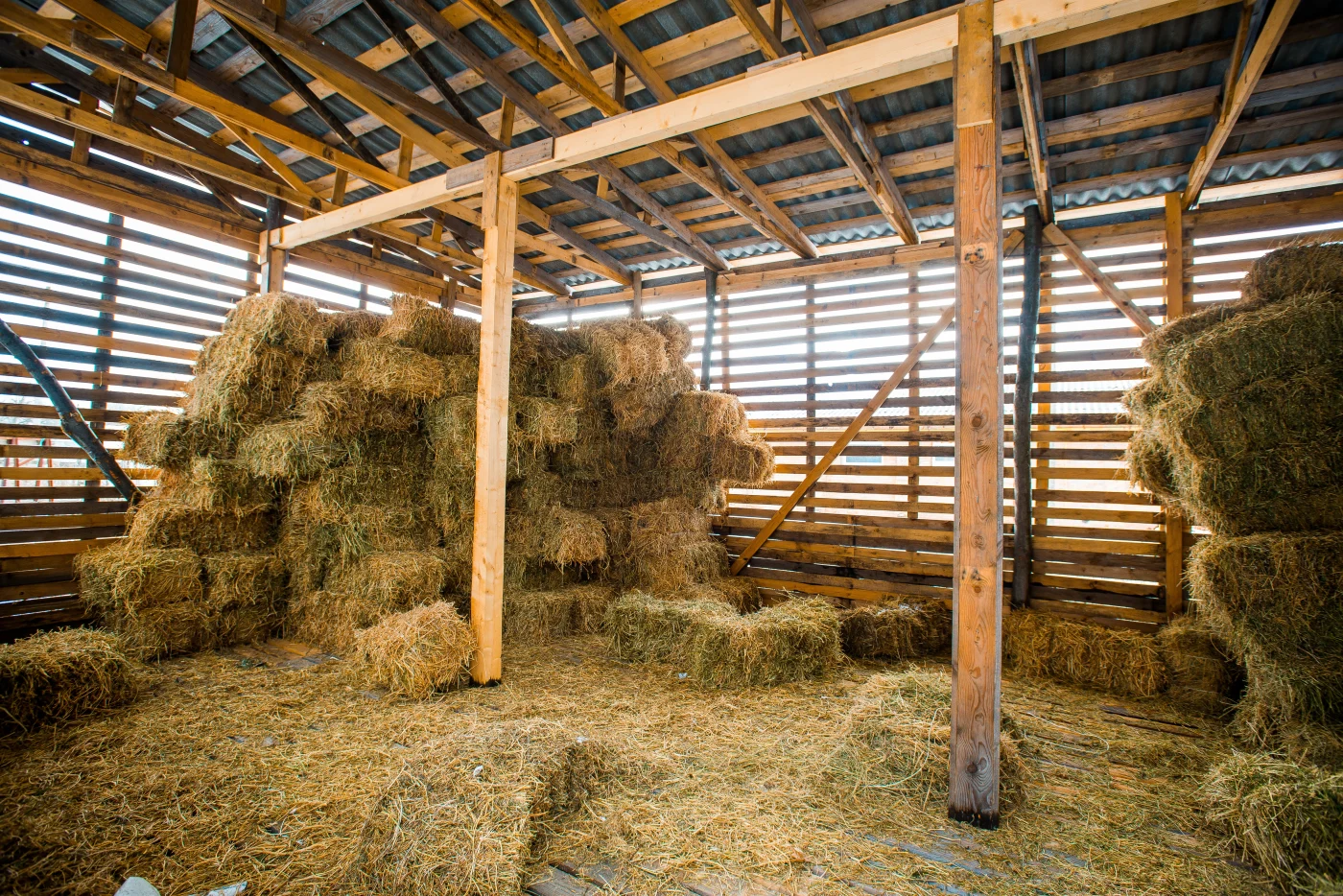
Span and load determine your agricultural truss, not the price alone.Most pole barn trusses in Maryville, MO sit on 4-foot centers.A 40×60 pole barn usually needs a clear-span truss and no center posts.We build every truss from MSR 2400 yellow pine, which is 60% stronger.Here at North Country Truss, we design your package to align with your plans.
Designing An Agricultural Truss In Maryville, MO: How To Choose The Right Option
The Three Things That Actually Determine Your Truss
An agricultural truss (sometimes called a pole barn truss) is the triangular wood frame that carries your roof load down to the posts of a post-frame building. Picking the right agricultural truss in Maryville, MO comes down to knowing and using three numbers, not information from a catalog page.
The first number is span. That’s the distance your truss has to cross without a post underneath it. A 40-foot-wide hay barn needs a truss that clears the full 40 feet, so cattle and equipment have room to move.
The second is load. Snow, wind, and anything you hang from the bottom chord all add weight that the truss has to carry. Agricultural trusses in Nodaway County, MO have to account for real winter snow load.
The third is spacing. How far apart the trusses sit changes both strength and cost.
Get all three right and the building stands straight for decades, leaving you little to worry about structurally.
How Far Apart Should Pole Barn Trusses Be Spaced In Maryville, MO?
Most pole barn truss spacing in Maryville, MO lands at 4-foot centers, meaning the trusses sit four feet apart, measured center to center. That spacing matches standard post placement and purlin runs, so material waste stays low.
Wider pole barn rafter spacing, like 8 or 10 feet, is possible but shifts more load onto each truss. That usually means a heavier truss and beefier purlins overhead. We size the whole system together so nothing gets overworked.
Tighter spacing does the opposite. It spreads the load across more trusses, which helps under heavy snow but costs more in materials. The best truss spacing for a hay barn roof depends on your span and your local snow load, not following a rule of thumb.
We run the numbers on your exact building before we cut a single board. It’s important to look intowhy pole barn truss spacing matters before you commit to a layout. That gives you a better idea of the choices you’ll be making, along with your potential design outcomes.
Choosing Proper Farm Building Trusses For A 40×60 Pole Barn In Maryville, MO
While all designs are different, there are similar measurements we often work with. A common question we hear locally is “what size trusses do I need for a 40×60 pole barn?” The 40 is your span, so you need a clear-span agricultural truss that crosses 40 feet with no center posts in the way.
That open floor space matters. No interior posts means you can back a combine straight through or stack round bales without dodging columns. Our agricultural trusses handle that span using MSR 2400 yellow pine, a material machine stress rated to 2400 psi.
That lumber is 60% stronger than the Grade One wood most pole barn truss manufacturers reach for. It’s also 17% stiffer and rated to withstand 115 mph winds, so it won’t bend under a loaded roof or in adverse weather situations.
Every truss is custom-built to your measurements. We never cut down pre-stocked, stock-size lumber to make it fit. Ourmade-to-order agricultural trusses are sized to real buildings, never trimmed from stock.
Post Frame Trusses In Maryville, MO Vs. Standard Roof Trusses
The difference between pole barn trusses and standard roof trusses comes down to span and spacing. Post frame trusses are built to cross wide open spaces and sit farther apart, since they rest on posts rather than continuous walls.
Standard residential trusses sit tighter together on load-bearing walls. Agricultural trusses carry more load per truss across a longer clear span. That’s why choosing farm building trusses is a different situation than roofing a house.
Consider all of thecommon agricultural roof truss types. Spacing choices ripple through the entire structure, from purlins to posts. The decisions you make when choosing the type of truss to include in your project will impact other phases, too; getting it right is essential for the rest of your construction goals.
When a design calls for more strength, we step up to larger connector plates and 2-by-6 boards instead of using 2-by-4s. The truss gets overbuilt where it counts, because that’s what the design calls for.
Why Working With Local Agricultural Truss Builders In Maryville, MO Matters
Ordering a truss package from a distant supplier means guessing at your snow load and hoping the delivery shows up on time. Working with local agricultural truss builders in Maryville, MO removes that guesswork.
We design agricultural trusses in Nodaway County, MO for real local conditions. Local owners and teams mean more immediate access and contact, so you always know where your custom pole barn truss package stands, or can ask questions when they come up.
Every board is handled by our own crew. We use no subcontractors, and our carpenters are certified by the Structural Building Components Association. That means the same masters of their craft build your trusses start to finish.
Our DOT-certified drivers make deliveries on our own trucks. That’s how we keep every order done right and on time. While working with local companies like ours has benefits, it’s important that you make sure you’re choosing the right truss supplier before you decide.
Working through what you expect frompole barn trusses for agricultural buildings helps you weigh the tradeoffs when it comes to choosing a builder and supplier. Family, service, teamwork, quality, and attitude drive every project we take on, so with us, you know you’ll get the same dedication and attention to detail on every job.
Get Your Custom Agricultural Truss Package From North Country Truss Today
At North Country Truss, we keep you updated from your first call through final delivery. We’ll confirm your span, spacing, and snow load, then build every truss from MSR 2400 yellow pine that runs 60% stronger than Grade One. Truss construction typically takes two to three weeks because every truss is custom-built.
Ready to build?Schedule a free estimate from North Country Truss, and we’ll design an agricultural truss system for Maryville, MO that’s sized to your exact plans. Reach out today, and we’ll get your package moving on our own trucks.
Common Questions Asked About Agricultural Truss Use In Maryville, MO
Here are the questions we hear most from farm and pole barn owners planning a new build. You can also review our FAQ page if yours isn’t covered here.
Do clear-span agricultural trusses in Maryville, MO skip center posts?
A: A properly designed clear-span agricultural truss carries the full width with no center posts. We size the chords and connector plates to your span and anticipated snow load so nothing sags. That keeps your floor wide open for equipment and storage.
How fast can you deliver a pole barn truss to Maryville, MO?
A: Truss construction typically takes two to three weeks because every truss is custom-built to your plans. We keep you updated from the first call through delivery, so you always know the schedule. When our work is done, our DOT-certified drivers then deliver your package to your location using our own trucks.
What lumber goes into your agricultural truss builds?
A: We build every agricultural truss from MSR 2400 yellow pine, machine stress rated to 2400 psi. That’s 60% stronger than Grade One wood, 17% stiffer, and rated to withstand 115 mph winds. Every truss is custom-cut to your exact measurements.